
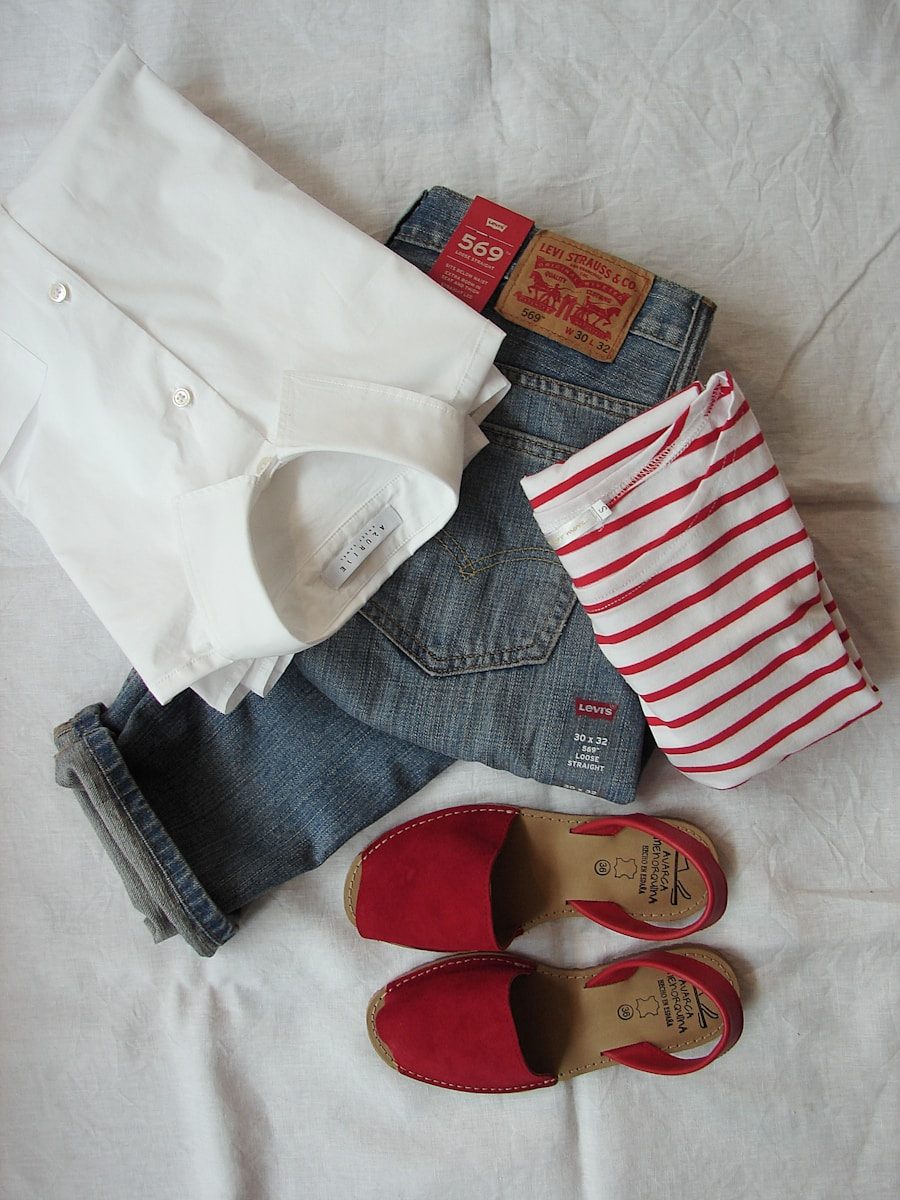
There’s a common assumption that looking well-dressed requires a steady stream of new, expensive clothing. Walk through any mall or scroll through social media, and it’s easy to feel like style is tied to constant consumption. But the reality is less dramatic—and far more practical. A polished wardrobe doesn’t come from spending more; it comes from choosing better and spending smarter. Increasingly, that means taking advantage of clothing discounts and using coupons with a bit of strategy rather than impulse.
At its core, upgrading your wardrobe isn’t about replacing everything you own. It’s about refinement. Most people already have a foundation—basic shirts, jeans, jackets—that can be elevated with a few thoughtful additions. The challenge isn’t scarcity of options; it’s navigating those options without overspending. This is where discounts and coupons quietly shift from being occasional perks to essential tools.
Clothing discounts have evolved beyond end-of-season clearance racks. Online shopping, in particular, has expanded access to price reductions in ways that feel almost routine. Flash sales, loyalty rewards, bundle deals, and limited-time offers appear frequently enough that paying full price is often unnecessary. The key is not chasing every discount, but recognizing when a deal aligns with something you actually need.
Coupons add another layer to this equation. While they once existed mainly in newspapers or physical mailers, they’ve become integrated into digital shopping experiences. Verified coupons—those that are confirmed to work—have made the process less frustrating. Instead of entering random codes and hoping one applies, shoppers can rely on tested discounts that reduce the total cost in a predictable way.
This predictability changes how people approach buying clothes. Rather than making spontaneous purchases, there’s a shift toward planning. For example, if you know you’ll need a new coat for winter, you can monitor prices over time, wait for a sale, and then apply a coupon to bring the cost down further. It turns shopping into a more deliberate process, one that prioritizes timing and intention.
That sense of intention often leads to better wardrobe decisions. When you’re not rushing, you’re more likely to consider how a piece fits into your existing collection. Does it match what you already own? Can it be worn in multiple settings? Will it still feel relevant a year from now? These questions matter more than the discount itself, because they determine whether the purchase adds value or simply takes up space.
One of the overlooked benefits of shopping with discounts is that it encourages experimentation without excessive risk. Trying a new style—perhaps a different cut of trousers or a color you wouldn’t normally choose—feels less daunting when the price is reduced. Over time, this can help you discover what truly suits you, rather than sticking rigidly to familiar choices.
However, there’s a balance to maintain. The presence of a discount can sometimes create a false sense of urgency, pushing people to buy things they don’t actually need. This is where discipline becomes important. A lower price doesn’t automatically make an item worthwhile. In fact, one of the most useful habits is learning to walk away from a deal if the item doesn’t serve a clear purpose in your wardrobe.
Quality is another factor that shouldn’t be overlooked. It’s tempting to equate lower prices with lower expectations, but that doesn’t have to be the case. Many retailers offer significant discounts on well-made clothing, especially when clearing out inventory or promoting new collections. Using coupons to access higher-quality items at reduced prices can be more effective than repeatedly buying cheaper pieces that wear out quickly.
Durability, in particular, plays a major role in long-term value. A well-constructed jacket or a pair of sturdy shoes may cost more upfront, even after discounts, but they often last longer and require fewer replacements. When viewed over time, this approach can actually save money while maintaining a more consistent sense of style.
Another practical aspect of upgrading your wardrobe for less is understanding retail cycles. Clothing tends to follow predictable patterns: winter items go on sale as spring approaches, summer clothing is discounted in late August, and so on. By aligning your purchases with these cycles, you can access significant savings without relying solely on luck. Adding a coupon to an already reduced item often results in the best value.
Online tools have made this process more accessible. Price tracking websites, email newsletters, and browser extensions can alert you when discounts become available. While it’s easy to become overwhelmed by constant notifications, a selective approach—focusing on specific brands or categories—helps keep things manageable. The goal is not to chase every deal, but to stay informed about the ones that matter to you.
Interestingly, this approach to shopping often leads to a more cohesive wardrobe. Instead of accumulating random items, you begin to build a collection with purpose. Neutral colors, versatile fabrics, and classic silhouettes tend to dominate, not because they’re trendy, but because they work. Discounts and coupons simply make it easier to acquire these pieces without exceeding your budget.
There’s also a psychological shift that comes with shopping more strategically. Paying full price can sometimes create pressure to justify the purchase, while buying at a discount feels lighter, more flexible. This doesn’t mean the item is less valuable—it simply means the decision carries less financial weight. Over time, this can make fashion feel more accessible and less tied to stress.
At the same time, it’s important to avoid turning shopping into a constant activity. The convenience of online deals and coupons can blur the line between necessity and habit. Setting boundaries—whether it’s a monthly budget or a rule about only buying items that fill a specific gap—helps maintain balance. Style should enhance your life, not complicate it.
Sustainability also enters the conversation here. Fast fashion has made clothing cheaper and more disposable, but it has also raised concerns about waste and environmental impact. By focusing on fewer, better pieces—especially when purchased at discounted prices—you can reduce the frequency of replacements and contribute to a more responsible approach to consumption.
Another benefit of thoughtful shopping is that it shifts attention away from trends and toward personal style. Trends change quickly, often encouraging short-term purchases that lose relevance within months. In contrast, a wardrobe built on well-chosen staples remains consistent. Discounts and coupons support this approach by making it easier to invest in pieces that last beyond a single season.
It’s worth noting that upgrading your wardrobe doesn’t always require buying something new. Sometimes, it’s about rethinking what you already have. Pairing items differently, adding a belt or layering pieces in new ways can create fresh looks without any additional cost. Discounts and coupons simply expand your options when you do decide to add something.
In the end, the idea of upgrading your wardrobe for less is less about finding the lowest price and more about finding the right balance. Clothing discounts and verified coupons are tools—useful ones—but they work best when combined with thoughtful decision-making. When you approach shopping with clarity and patience, the result is a wardrobe that feels intentional, functional, and reflective of who you are.
Style, after all, isn’t defined by how much you spend. It’s shaped by how you choose, how you combine, and how you carry what you wear. And when those choices are supported by smart use of discounts and coupons, looking put together becomes not just achievable, but sustainable.