
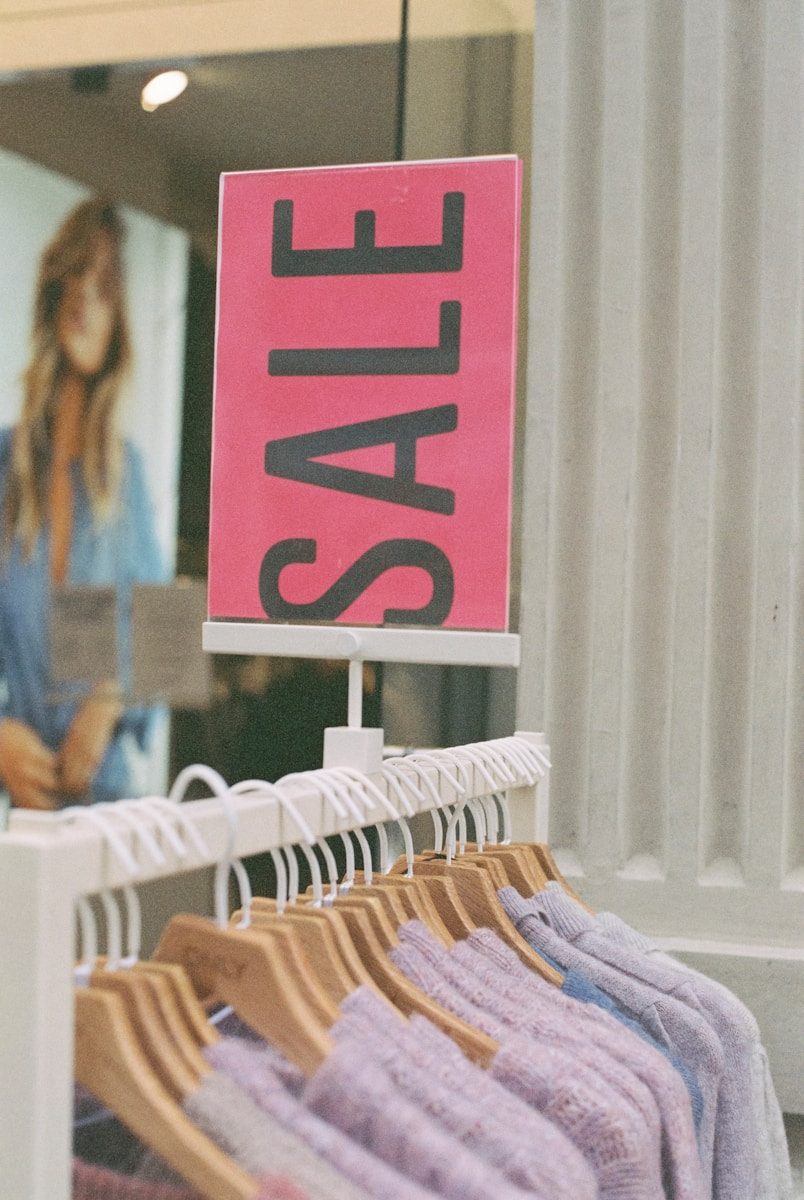
Clothing has always carried a dual role. It meets a basic need—protection, comfort, function—but it also tells a story. What you wear can signal mood, identity, even ambition. Yet for all its importance, clothing is one of the few everyday expenses where the price can vary wildly for the exact same item. A jacket might cost $120 one week and drop to $65 the next, with no change in quality. That gap is where modern shoppers have learned to operate.
The idea of paying full price for clothing is slowly becoming the exception rather than the rule. Not because garments have lost their value, but because consumers have become more aware of how pricing works—and how often it can be adjusted through discounts and coupon codes. The real challenge today isn’t whether discounts exist. It’s knowing where to find the ones that actually matter.
The Illusion of the Original Price
Retail pricing is rarely as straightforward as it appears. Many brands set initial prices with built-in flexibility, anticipating future promotions. That means the “original price” often serves more as a reference point than a fixed standard.
For shoppers, this creates both an opportunity and a trap. On one hand, it means significant savings are possible. On the other, it becomes easy to mistake a routine markdown for a rare deal.
Understanding this dynamic is the first step toward smarter shopping. A real discount isn’t just a lower number—it’s a meaningful reduction compared to typical pricing patterns.
Why Coupon Codes Have Become Essential
In the past, discounts were tied to clear events: end-of-season sales, clearance racks, holiday promotions. Today, they exist in a more scattered, less visible form. Coupon codes—those short combinations of letters and numbers—have become the key to unlocking them.
What makes these codes interesting is how selectively they are distributed. Some are widely shared, while others are quietly offered to specific groups: newsletter subscribers, returning customers, or even shoppers who hesitate at checkout.
This selective distribution changes the experience. Instead of simply waiting for a sale, shoppers actively search for advantages. The process becomes part of the purchase itself.
The Most Reliable Places to Look
Finding worthwhile clothing discounts doesn’t require luck, but it does require knowing where to focus your attention. Some sources consistently prove more useful than others.
Brand websites are often the starting point. Many offer first-time discounts in exchange for signing up to their mailing lists. While this may seem like a small step, it frequently leads to ongoing access to promotions that aren’t publicly advertised.
Then there are coupon aggregation sites. These platforms collect and update codes from across the internet, saving time for shoppers who don’t want to search manually. However, not all listed codes work, so a bit of patience is needed.
Social media has also become a surprisingly effective channel. Brands and influencers regularly share limited-time offers, especially during product launches or collaborations. These promotions can be brief, but they often provide deeper discounts than standard sales.
Finally, there’s the overlooked strategy of simply waiting. Leaving items in an online cart without completing the purchase can sometimes trigger follow-up emails offering a discount. It’s a small tactic, but one that reflects how responsive modern retail systems have become.
Timing Isn’t Just Helpful—It’s Critical
If there’s one factor that consistently separates average deals from exceptional ones, it’s timing. Clothing follows predictable cycles, even if they aren’t always obvious at first glance.
End-of-season transitions are among the most reliable opportunities. Retailers need to make room for new inventory, which means older items are often discounted heavily. Winter coats in early spring, summer dresses in late fall—these are moments when prices can drop dramatically.
Holiday periods also play a role, though not always in the way shoppers expect. Major sales events like Black Friday attract attention, but they don’t always offer the deepest discounts. Sometimes, quieter periods—just after the rush—can yield better deals as brands try to maintain momentum.
Learning these patterns doesn’t happen overnight. It develops through observation, through noticing when prices rise and fall. Over time, it becomes easier to anticipate rather than react.
The Balance Between Saving and Spending
There’s an inherent tension in the world of discounts. The more opportunities there are to save, the easier it becomes to spend unnecessarily. A 40% discount can feel like a justification, even when the purchase wasn’t planned.
This is where intention becomes important. Instead of browsing aimlessly, experienced shoppers tend to approach discounts with a clear idea of what they need. They might keep a list—jeans, a jacket, work shirts—and wait for the right deal to appear.
This approach changes the dynamic. The coupon code doesn’t create the desire; it simply fulfills it at a better price.
Quality Still Matters
It’s easy to become focused on the discount itself, but price should never be the only consideration. Clothing, unlike many other products, is worn repeatedly. Its value comes from durability, fit, and comfort over time.
A heavily discounted item that wears out quickly isn’t a bargain. In contrast, a well-made piece purchased at a modest discount can provide long-term value far beyond its cost.
This is why brand reputation, materials, and construction remain relevant—even in a deal-driven environment. The goal isn’t just to spend less, but to spend wisely.
Technology and the New Shopping Experience
Technology has quietly reshaped how people find and use coupon codes. Browser extensions can automatically test multiple codes at checkout, eliminating much of the guesswork. Mobile apps send real-time notifications when prices drop or new promotions become available.
At the same time, retailers use their own technology to track behavior and tailor offers. A shopper who frequently browses athletic wear might receive targeted discounts in that category. Someone who hasn’t made a purchase in a while might be offered an incentive to return.
This interaction creates a kind of feedback loop. The more you engage, the more relevant the offers become. For shoppers, this means that finding good deals is no longer just about searching—it’s about participating.
The Subtle Shift in Consumer Mindset
Perhaps the most significant change isn’t technological, but psychological. There was a time when discounts carried a certain stigma, as if paying less somehow diminished the value of what was purchased.
That perception has largely faded. Today, finding a good deal is often seen as a sign of awareness rather than compromise. It reflects an understanding of how the system works—and how to navigate it effectively.
This shift has made discount shopping more deliberate, more strategic. It’s less about cutting corners and more about maximizing value.
Looking Ahead
As retail continues to evolve, coupon codes and discounts are likely to become even more integrated into the shopping experience. Personalized pricing, dynamic promotions, and AI-driven recommendations are already shaping how deals are distributed.
For consumers, this means more options—but also more complexity. The challenge will be staying focused, avoiding distraction, and continuing to make decisions based on genuine need rather than fleeting opportunity.
Final Thoughts
Clothing discounts are no longer rare events—they are part of an ongoing system that rewards attention and patience. Coupon codes, while simple in form, have become powerful tools within that system.
But like any tool, their value depends on how they are used. When approached thoughtfully, they can make high-quality clothing more accessible without encouraging excess. They can turn routine purchases into satisfying ones, not because they are cheaper, but because they feel intentional.
In the end, the goal isn’t just to find the lowest price. It’s to understand when a price is truly worth it—and to recognize that sometimes, the best deals are the ones you were prepared for all along.